
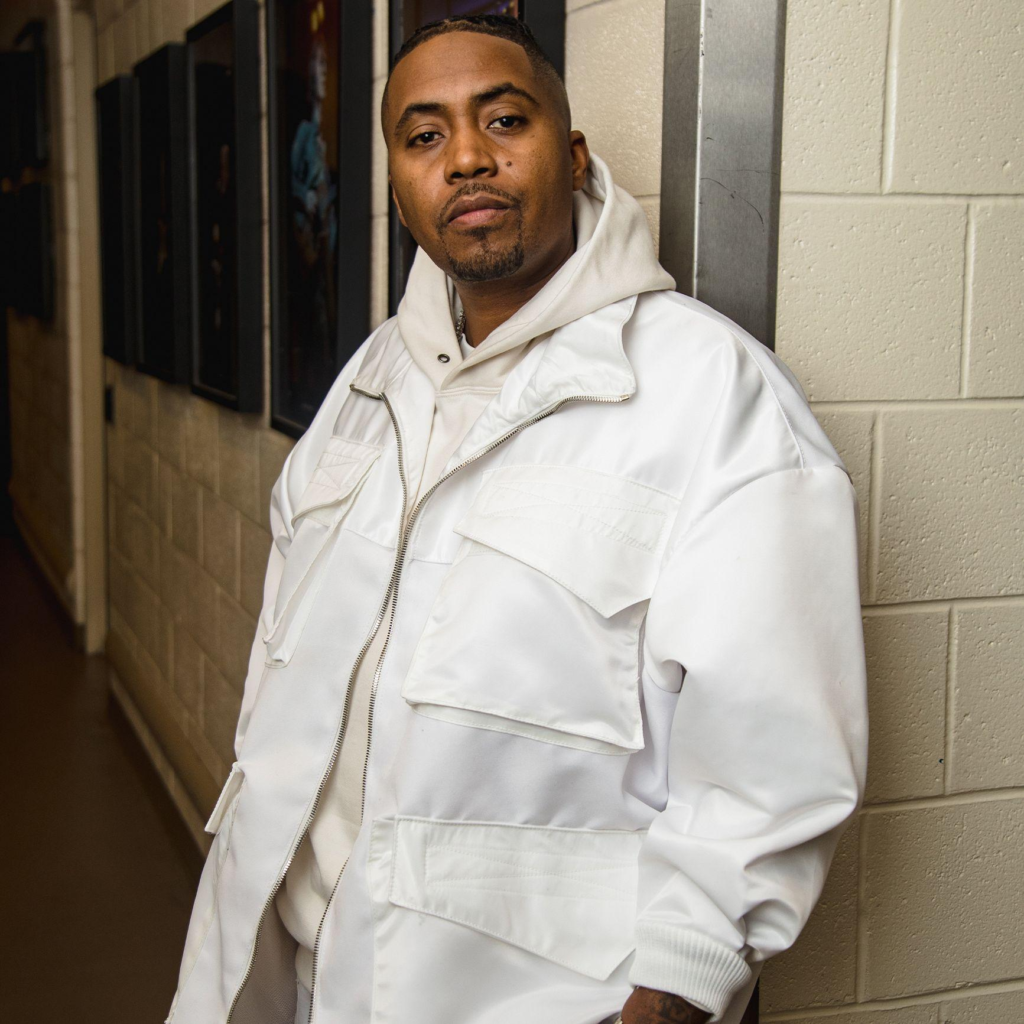
New York City’s relationship with hip-hop is being put under the spotlight again, this time through a conversation between rap legend Nas and Mayor Zohran Mamdani. In a short documentary released on September 30, 2026, the two discussed the culture’s origins, the communities that shaped it and what it will take to keep New York a place where future generations of artists can thrive.
The conversation comes as the city celebrates more than five decades of hip-hop, a culture born in the Bronx in 1973 before spreading across the United States and eventually the world. For Mamdani, celebrating that history is not enough. New York must also protect the conditions that allow artists and communities to continue creating the music, dance and art that made the city internationally influential.
“We can’t be content with having been the birthplace of hip-hop,” Mamdani said. “We want it to still be the home.”
The message captures a central question facing New York’s hip-hop scene: can the city preserve its cultural legacy while ensuring that emerging artists still have opportunities to build their futures there?
Nas Reflects on Hip-Hop’s Role in Telling New York’s Stories
For Nas, the conversation was rooted in personal experience. The Queensbridge-raised rapper grew up in one of New York’s most recognizable public housing communities before becoming one of the most respected lyricists in hip-hop.
His music has often examined the realities of urban life, including poverty, violence, ambition, inequality and the difficult choices facing young people. His landmark 1994 debut album, Illmatic, remains a defining work in East Coast hip-hop, celebrated for its detailed portraits of Queensbridge and its uncompromising storytelling.
During the conversation with Mamdani, Nas described hip-hop as a form of expression that documents the lives of people whose experiences are often overlooked.
“Hip-hop unveils the truth,” Nas said. “Hip-hop tells you exactly what your city looks like, sounds like, feels like.”
He also described the genre as an outcry from communities demanding change and wanting the world to understand what they were experiencing.
That perspective highlights why hip-hop has always been more than entertainment for many of its creators. From the early block parties in the Bronx to socially conscious records and contemporary street narratives, the culture has provided a platform for people to document their neighborhoods, express frustration and imagine different futures.
Nas’s participation also brings historical weight to the discussion. His career represents a connection between the communities that nurtured early generations of New York rappers and the global audience hip-hop commands today.
The Bronx School of Hip-Hop Brings Culture Into Education
One of the most important parts of the documentary is its focus on the Bronx School of Hip-Hop, a school that incorporates the culture into students’ educational experience.
The institution offers an example of how hip-hop can be used as more than a subject of historical study. Its creative disciplines, including rapping, DJing, breaking and graffiti art, provide ways for students to engage with music, performance and visual expression while developing their academic skills.
The school’s opening represents an effort to recognize hip-hop as a meaningful part of New York’s cultural identity rather than treating it as a temporary trend.
Its approach also creates opportunities to connect students with creative fields that can extend beyond performing as rappers. Audio production, digital media, visual design and other creative skills can provide practical foundations for careers in the wider entertainment industry.
For a genre that emerged from communities building their own platforms with limited resources, placing hip-hop within an educational setting carries particular significance.
The documentary highlights how institutional support can help preserve the culture while introducing it to younger generations who will eventually determine its future.
The school also reinforces Mamdani’s argument that New York should actively support the next generation of artists rather than relying exclusively on the achievements of previous generations.
Can New York Remain a City Where Artists Can Afford to Live?
Beyond its cultural history, the conversation raises a practical challenge: the cost of living in New York City.
For emerging musicians, producers, dancers and other creatives, pursuing an artistic career requires more than talent. Artists need time to develop their skills, access to equipment and performance spaces, and the financial stability to continue creating while building an audience.
High housing costs and everyday expenses can make that process difficult. Artists who grew up in New York may find themselves struggling to remain in the neighborhoods that shaped their creative identities.
Mamdani connected this problem to the broader question of opportunity. He discussed how some New Yorkers come to view success as something that requires leaving the communities where they grew up.
That concern has implications for hip-hop because the genre’s identity is closely tied to specific neighborhoods, local experiences and community networks.
When artists are pushed away from those environments, the consequences can extend beyond individual careers. Local venues, independent creative spaces and neighborhood networks may also struggle to survive.
Preserving hip-hop’s New York identity therefore involves more than celebrating classic albums or recognizing influential artists. It also means considering whether the city remains accessible to the people who want to create its next generation of music.
The conversation does not, by itself, establish a new policy or guarantee that these challenges will be resolved. Instead, it brings the relationship between cultural preservation, affordability and opportunity into a wider public discussion.
Why This Conversation Matters for East Coast Hip-Hop
New York remains one of the most important cities in hip-hop history, but its influence has never depended solely on nostalgia.
The East Coast scene continues to evolve through established artists, independent musicians, producers and younger performers experimenting with new sounds. Its future depends partly on whether the communities that created the culture can continue supporting the people who sustain it.
Nas and Mamdani approach that issue from different positions. Nas speaks as an artist whose career was shaped by Queensbridge and whose music has documented the experiences of New York communities. Mamdani approaches the subject as the city’s mayor, emphasizing the importance of ensuring that New York remains a place where artists can live and work.
Their meeting connects the cultural legacy of hip-hop with the practical realities facing the city today.
It also offers a reminder that hip-hop’s global popularity does not automatically guarantee that the places where it began will continue to benefit from its growth.
The Bronx School of Hip-Hop provides one example of how the city is recognizing the culture’s educational and creative value. Whether broader efforts can make New York more accessible to emerging artists remains a larger challenge.
Nas and Mamdani Put Hip-Hop’s Future Back on the Agenda
The discussion between Nas and Zohran Mamdani is ultimately about the difference between remembering hip-hop’s past and investing in its future.
New York helped give the world a culture that has influenced music, fashion, language, dance and visual art across generations. Yet the next chapter will be written by artists who need opportunities to experiment, develop their voices and connect with their communities.
By bringing attention to the Bronx School of Hip-Hop and the challenges facing local residents, the documentary moves the discussion beyond anniversary celebrations and legendary records.
For East Coast hip-hop, the message is straightforward: protecting the culture means protecting the people and places that allow it to grow.
Nas’s legacy demonstrates how powerful a voice from a New York neighborhood can become. The challenge now is ensuring that the next generation has the opportunity to create stories of its own without losing its connection to the city that inspired them.
New York may always be recognized as hip-hop’s birthplace. The question raised by Nas and Mamdani is whether it can continue to be a home for the artists who will shape what comes next.